Bringing a Gaming IP to Life: From Pre-Production Chaos to a Live Battleground Experience
Bringing a Gaming IP to Life: From Pre-Production Chaos to a Live Battleground Experience
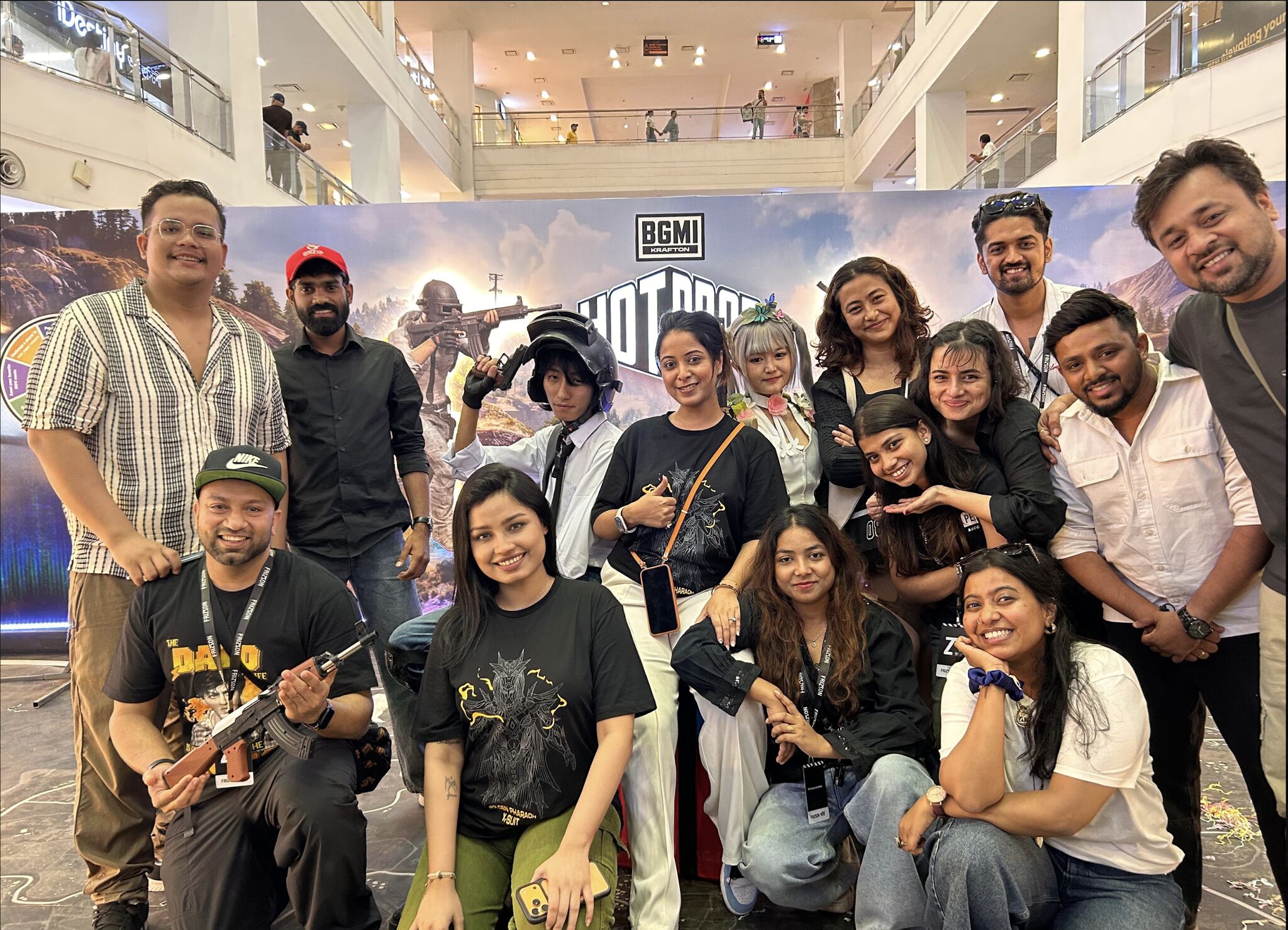
How we transformed a gaming IP into an immersive community experience bringing together talent, cosplayers, KOLs, game zones, trivia and live event production to create a battleground fans could step into.
A gaming IP. A format where feedback came in real time. A client who trusted us to execute and bring the battleground to life.
What followed was weeks of late nights, last-minute deck revisions, high-stakes PPMs, caffeine-fuelled production meetings and a checklist that somehow kept getting longer.
But in live event production, there's a particular kind of satisfaction that comes from watching that checklist disappear one tick at a time.
And this project had plenty of boxes to tick.
The Brief: Turn a Gaming IP Into a Real-World Experience
The objective was bigger than creating an event that looked good.
We needed to build an experience that felt authentic to the gaming community.
That meant taking the world of a gaming IP and translating it into a physical environment where fans could participate, interact and experience the energy of the game beyond the screen.
The format evolved through real-time feedback, which meant the production team needed to stay agile from concept development through to execution.
The answer was an immersive battleground experience built around community, competition, entertainment and participation.
The Production Challenge: Everything Moves at Once
Gaming activations are complex because there is rarely just one moving part.
For this project, the production involved coordinating:
Talent and celebrity management
Cosplayers and character-led experiences
KOL and creator coordination
Interactive game zones
Trivia and community activities
Event design and production
On-ground operations
Multiple teams and vendors
Last-minute changes and approvals
Every element had to work together to create one cohesive experience.
And because feedback was coming in real time, the ability to adapt was just as important as the original plan.
From Decks to D-Day
The weeks leading up to the event were a classic exercise in live production discipline.
There were late nights. There were revised decks. There were PPMs and plenty of them.
There were also the inevitable last-minute changes that come with building a large-scale live experience.
But behind the scenes, the team kept moving.
Talent was locked.
Cosplayers were coordinated.
KOLs were synced.
Game zones were designed.
Trivia experiences were developed.
Vendors and production partners were managed.
And every moving piece had to eventually land in the same place, at the same time.
The guiding principle was simple:
Finish your tasks.
Designing for the Gaming Community
The experience wasn't built simply to create something visually impressive.
The focus was on creating activities that gave the community reasons to participate.
Game zones gave visitors opportunities to engage directly with the experience.
Trivia added another layer of interaction, encouraging participants to test their knowledge and stay involved.
Cosplayers and KOLs helped bridge the gap between the IP and the community around it.
Talent and programming added another layer of entertainment to the overall experience.
Every component had one larger purpose: make the audience feel like they had entered the battleground rather than simply visited an activation.
The Ultimate Pre-Event Question
A couple of days before the event, a message came through:
"Any panic scenes?"
No context needed.
Everyone knew exactly what it meant.
In a production where the checklist is never really finished until the gates open, there is an unwritten rule:
Finish your tasks.
And that's exactly what the team did.
D-Day: When the Mall Gates Opened
The real test of any experiential marketing production isn't the presentation deck.
It's the moment the audience walks in.
On Sunday morning, the mall gates opened.
And people didn't simply wander into the experience.
They arrived specifically for it.
The reaction made the weeks of preparation worth it.
Seeing fans walk into the battleground with genuine excitement was the clearest validation that the production had achieved what it set out to do.
The experience wasn't just functioning.
The community was feeling it.
What Makes a Successful Gaming Activation?
A successful gaming activation has to go beyond branding.
It needs to understand the audience, respect the IP and create genuine opportunities for participation.
For this project, that meant bringing together:
Gaming IP
The experience remained rooted in the world and culture of the gaming property.
Community
The activation was designed around the people who actually engage with the game and its ecosystem.
Creators and KOLs
KOLs and creators helped connect the physical experience with the wider gaming community.
Cosplay
Cosplayers helped translate the visual world of the IP into an immersive physical environment.
Interactive Experiences
Game zones and trivia ensured that visitors weren't passive spectators they became participants.
Production
Behind every visible element was a production workflow designed to keep the experience running smoothly on the day.
From Chaos to Execution
Experiential marketing can look effortless when it is done well.
The audience sees the finished environment, the talent, the activities and the excitement.
They don't see the weeks of planning behind it.
They don't see the revised decks, production meetings, PPMs, vendor coordination, talent calls, technical planning and last-minute problem-solving.
They definitely don't see the caffeine.
But that's the job.
Take the chaos of pre-production, make sense of it, hold everything together and deliver when the gates open.
For this gaming activation, the team did exactly that.
From pre-production chaos to D-day execution: figure it out, hold it together, deliver.
How we transformed a gaming IP into an immersive community experience bringing together talent, cosplayers, KOLs, game zones, trivia and live event production to create a battleground fans could step into.
A gaming IP. A format where feedback came in real time. A client who trusted us to execute and bring the battleground to life.
What followed was weeks of late nights, last-minute deck revisions, high-stakes PPMs, caffeine-fuelled production meetings and a checklist that somehow kept getting longer.
But in live event production, there's a particular kind of satisfaction that comes from watching that checklist disappear one tick at a time.
And this project had plenty of boxes to tick.
The Brief: Turn a Gaming IP Into a Real-World Experience
The objective was bigger than creating an event that looked good.
We needed to build an experience that felt authentic to the gaming community.
That meant taking the world of a gaming IP and translating it into a physical environment where fans could participate, interact and experience the energy of the game beyond the screen.
The format evolved through real-time feedback, which meant the production team needed to stay agile from concept development through to execution.
The answer was an immersive battleground experience built around community, competition, entertainment and participation.
The Production Challenge: Everything Moves at Once
Gaming activations are complex because there is rarely just one moving part.
For this project, the production involved coordinating:
Talent and celebrity management
Cosplayers and character-led experiences
KOL and creator coordination
Interactive game zones
Trivia and community activities
Event design and production
On-ground operations
Multiple teams and vendors
Last-minute changes and approvals
Every element had to work together to create one cohesive experience.
And because feedback was coming in real time, the ability to adapt was just as important as the original plan.
From Decks to D-Day
The weeks leading up to the event were a classic exercise in live production discipline.
There were late nights. There were revised decks. There were PPMs and plenty of them.
There were also the inevitable last-minute changes that come with building a large-scale live experience.
But behind the scenes, the team kept moving.
Talent was locked.
Cosplayers were coordinated.
KOLs were synced.
Game zones were designed.
Trivia experiences were developed.
Vendors and production partners were managed.
And every moving piece had to eventually land in the same place, at the same time.
The guiding principle was simple:
Finish your tasks.
Designing for the Gaming Community
The experience wasn't built simply to create something visually impressive.
The focus was on creating activities that gave the community reasons to participate.
Game zones gave visitors opportunities to engage directly with the experience.
Trivia added another layer of interaction, encouraging participants to test their knowledge and stay involved.
Cosplayers and KOLs helped bridge the gap between the IP and the community around it.
Talent and programming added another layer of entertainment to the overall experience.
Every component had one larger purpose: make the audience feel like they had entered the battleground rather than simply visited an activation.
The Ultimate Pre-Event Question
A couple of days before the event, a message came through:
"Any panic scenes?"
No context needed.
Everyone knew exactly what it meant.
In a production where the checklist is never really finished until the gates open, there is an unwritten rule:
Finish your tasks.
And that's exactly what the team did.
D-Day: When the Mall Gates Opened
The real test of any experiential marketing production isn't the presentation deck.
It's the moment the audience walks in.
On Sunday morning, the mall gates opened.
And people didn't simply wander into the experience.
They arrived specifically for it.
The reaction made the weeks of preparation worth it.
Seeing fans walk into the battleground with genuine excitement was the clearest validation that the production had achieved what it set out to do.
The experience wasn't just functioning.
The community was feeling it.
What Makes a Successful Gaming Activation?
A successful gaming activation has to go beyond branding.
It needs to understand the audience, respect the IP and create genuine opportunities for participation.
For this project, that meant bringing together:
Gaming IP
The experience remained rooted in the world and culture of the gaming property.
Community
The activation was designed around the people who actually engage with the game and its ecosystem.
Creators and KOLs
KOLs and creators helped connect the physical experience with the wider gaming community.
Cosplay
Cosplayers helped translate the visual world of the IP into an immersive physical environment.
Interactive Experiences
Game zones and trivia ensured that visitors weren't passive spectators they became participants.
Production
Behind every visible element was a production workflow designed to keep the experience running smoothly on the day.
From Chaos to Execution
Experiential marketing can look effortless when it is done well.
The audience sees the finished environment, the talent, the activities and the excitement.
They don't see the weeks of planning behind it.
They don't see the revised decks, production meetings, PPMs, vendor coordination, talent calls, technical planning and last-minute problem-solving.
They definitely don't see the caffeine.
But that's the job.
Take the chaos of pre-production, make sense of it, hold everything together and deliver when the gates open.
For this gaming activation, the team did exactly that.
From pre-production chaos to D-day execution: figure it out, hold it together, deliver.